https://www.abilityone.gov/abilityone_network/employment.html
Monthly Archives: February 2025
Svewu327qaxi@post.wordpress.com
Sent from my iPhone
Present and future budget and employee cuts by agency
Agency Name,Budget Cut (%),Employees Laid Off (%)
Centers for Disease Control and Prevention (CDC),30-40%,10% (1,300 employees) National Institutes of Health (NIH),30-40%,Not specified
Department of Veterans Affairs,30-40%,Not specified (>1,000 employees)
Federal Aviation Administration (FAA),30-40%,Not specified (hundreds of employees) National Science Foundation (NSF),30-40%,25-50%
Department of Defense (Pentagon),8%,Not specified
Department of Health and Human Services (HHS),30-40%,Not specified (5,200 employees)
Internal Revenue Service (IRS),30-40%,Not specified (thousands of employees planned) Department of the Interior,30-40%,Not specified
Department of Energy,30-40%,Not specified
Department of Agriculture (USDA),30-40%,Not specified
Department of Housing and Urban Development (HUD),30-40%,Not specified Department of Education,30-40%,Not specified
Environmental Protection Agency (EPA),30-40%,Not specified
National Aeronautics and Space Administration (NASA),30-40%,Not specified Social Security Administration (SSA),30-40%,Not specified
Department of Justice (DOJ),30-40%,Not specified
Department of Homeland Security (DHS),30-40%,Not specified
Department of Labor,,
Budget cuts and layoffs by agency
Agency Name,Budget Cut (%),Employees Laid Off (%)
Centers for Disease Control and Prevention (CDC),30-40%,10% (1,300 employees) National Institutes of Health (NIH),30-40%,Not specified
Department of Veterans Affairs,30-40%,Not specified (>1,000 employees)
Federal Aviation Administration (FAA),30-40%,Not specified (hundreds of employees) National Science Foundation (NSF),30-40%,25-50%
DODE Department of government efficiency
craigslist > sites
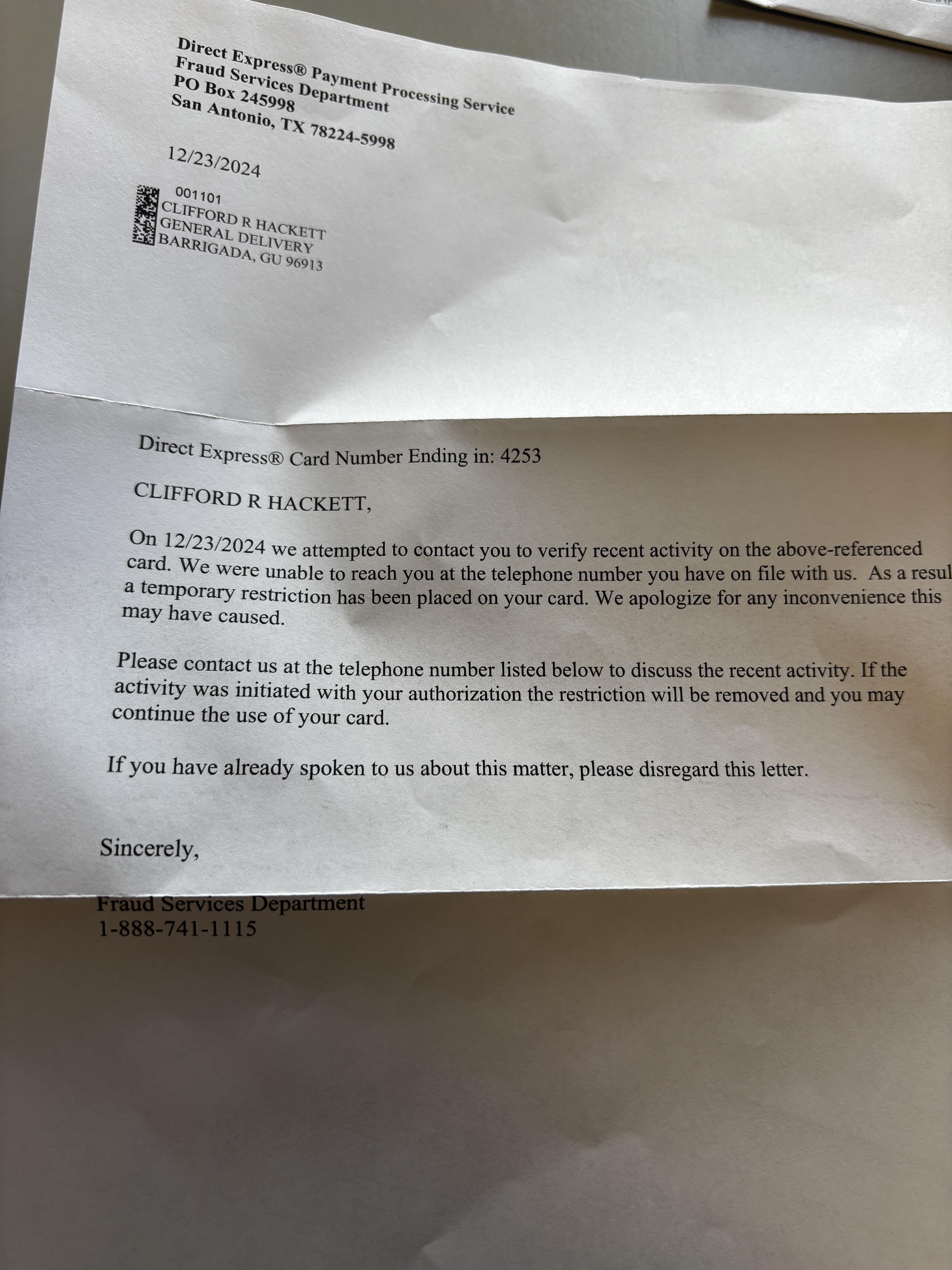
CoMericA Bank direct express lies
Call 671-300-8881 or via email at christine.sannicolas@dphss.guam.gov to northbes@dphss.guam.gov,
Call
671-300-8881 or via email at
christine.sannicolas@dphss.guam.gov
to
northbes@dphss.guam.gov,
How we can save the world by SEASTEADING
Reasonable to
Yes, the U.S. Department of Housing and Urban Development (HUD) can deny a reasonable accommodation request under the Fair Housing Act (FHA) if:
1. It imposes an undue financial or administrative burden – If the accommodation is too costly or difficult to implement.
2. It fundamentally alters the nature of the housing provider’s operations – If the request significantly changes the way the housing is typically run.
3. There is no disability-related necessity – If the request is not directly related to the person’s disability.
4. It poses a direct threat to health or safety – If granting the accommodation would create a danger to others that cannot be mitigated.
Even if the landlord agrees to an accommodation, HUD or a public housing authority (PHA) can still deny it if it doesn’t meet legal standards. If a request is denied, the tenant can:
• Negotiate alternatives with the housing provider.
• File a complaint with HUD or a state/local fair housing agency.
• Seek legal assistance to challenge the denial.
Would you like help drafting a response to a denied accommodation request?
 Solar
Solar 